Where the wild things land.
A nesting raft for Preston’s Terns.
Every spring, they come back to Preston Docks.
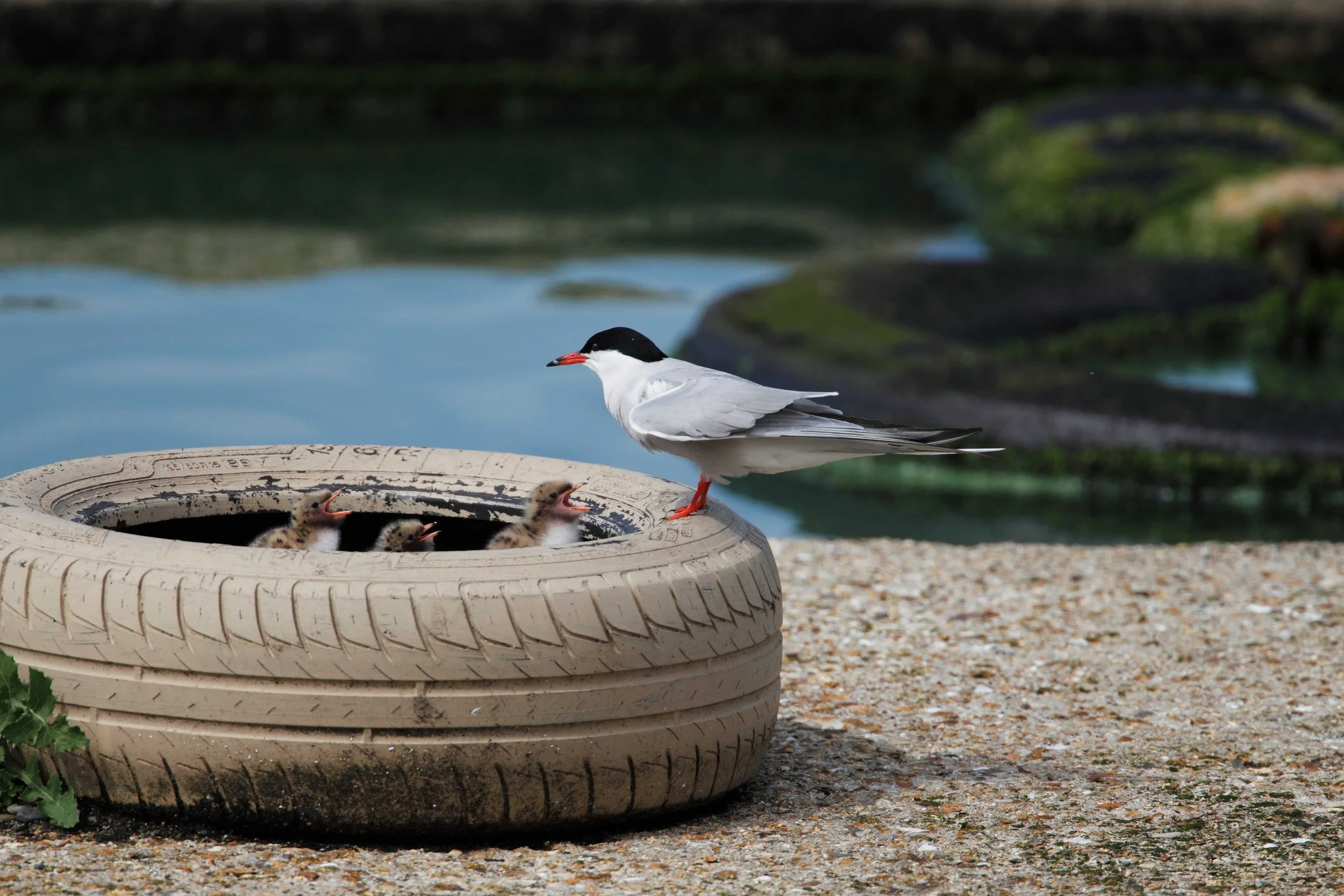
After crossing thousands of miles from the coast of West Africa, Common Terns return to the city to nest on the water’s edge, cutting through the air above the docklands with their sharp calls and fast, restless flight. For more than 15 years, the birds have made Preston part of their story. Now the city is making space for them to stay.
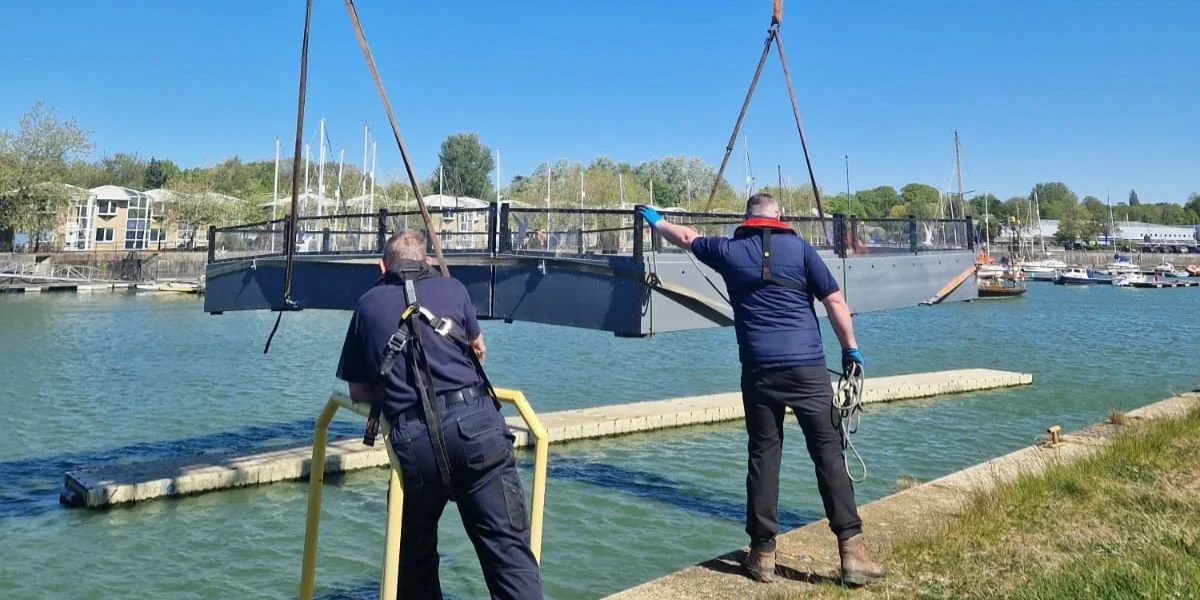
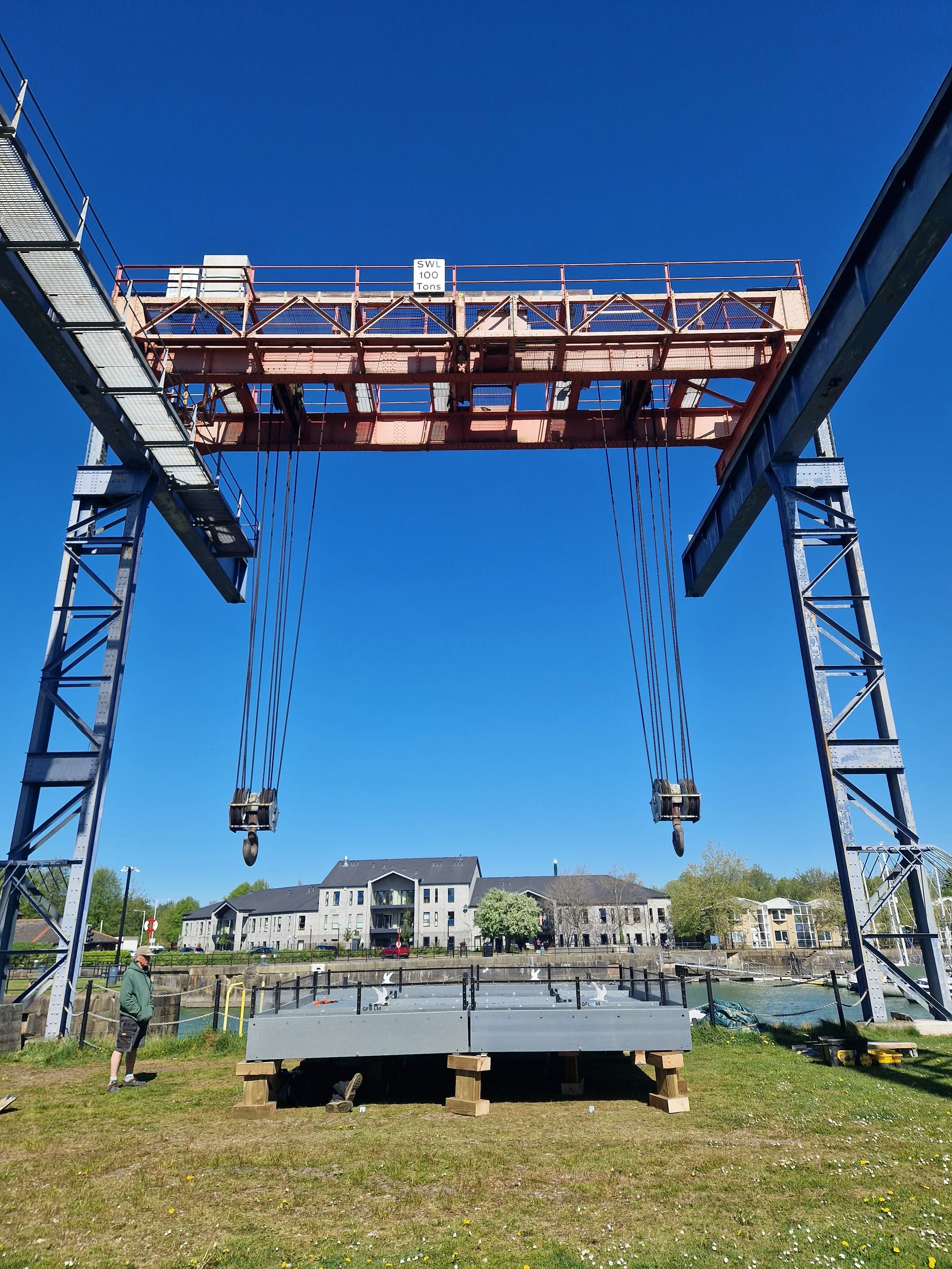
On Thursday 30 April 2026, Preston City Council installed a new 25-square-metre nesting raft at Preston Docks, creating a dedicated habitat for the Amber-listed seabirds ahead of breeding season.
Using the dock’s 100-tonne gantry crane, the raft was lowered into position and anchored on the water, ready for the terns as they settle in through the summer months.
Councillor Sue Whittam, The Madam Mayor of Preston, attended the installation as the raft was put into place.
For years, Common Terns have nested on the dock’s wave breakers, with local conservation groups working to support breeding pairs through artificial nesting spaces. At one stage, those efforts helped double the local population, with around 140 breeding pairs recorded in 2014. But numbers later declined as chicks became vulnerable to predators including gulls and coots sharing the docks.
Following discussions between Preston City Council and Fylde Bird Club in summer 2025, the decision was made to create a safer, purpose-built nesting site that better reflects the isolated habitats terns naturally seek out.
Mark Taylor, Interim Director of Environment and Property, said: “The new raft will be a fantastic boost for biodiversity at the Preston Docklands. The Common Terns have called this their home for over 15 years, and through providing a dedicated habitat, we hope more of them return each year.”
Fylde Bird Club has spent decades supporting the colony at Preston Docks and sees the raft as a major step forward for the birds’ future in the city.
Paul Ellis, Fylde Bird Club Secretary 1993–2026, said: “Fylde Bird Club are most grateful to Preston City Council for funding the new tern nesting raft, and to Preston Marina who have agreed to the proposal. The raft closely replicates the natural nesting site favoured by the terns. Terns need an island site on which to nest that cannot be reached by ground-based predators — very few such sites exist anywhere in Lancashire.”
The colony has also become part of the identity of the docks themselves. Every year, birdwatchers, photographers, and wildlife enthusiasts head to Preston to catch sight of the terns nesting against the backdrop of the city skyline. Few urban areas in the UK can claim a seabird colony in the middle of the city.
The raft was built and installed by Green Future Building CIC and local anchorage specialists Refit Marine.
Jack Spees, CEO of Ribble Rivers Trust, said: “The tidal section of the river is so important for our wildlife, and sites like Preston Docks provide important habitat and feeding grounds for wildlife under pressure around the UK, as well as being hugely important local heritage sites. The Ribble is known as a rich and diverse habitat for all sorts of wildlife, including European Eels, Atlantic Salmon, Brown Trout, as well as bird species like the Common Tern.”
The project also forms part of Preston City Council’s wider climate and biodiversity commitments, including its Biodiversity Action Plan and Preston Green Pledge.
For the terns arriving back this spring, though, it’s simpler than strategy documents or policy plans. After thousands of miles in flight, there’s now a safer place waiting for them on the water at Preston Docks.
Back