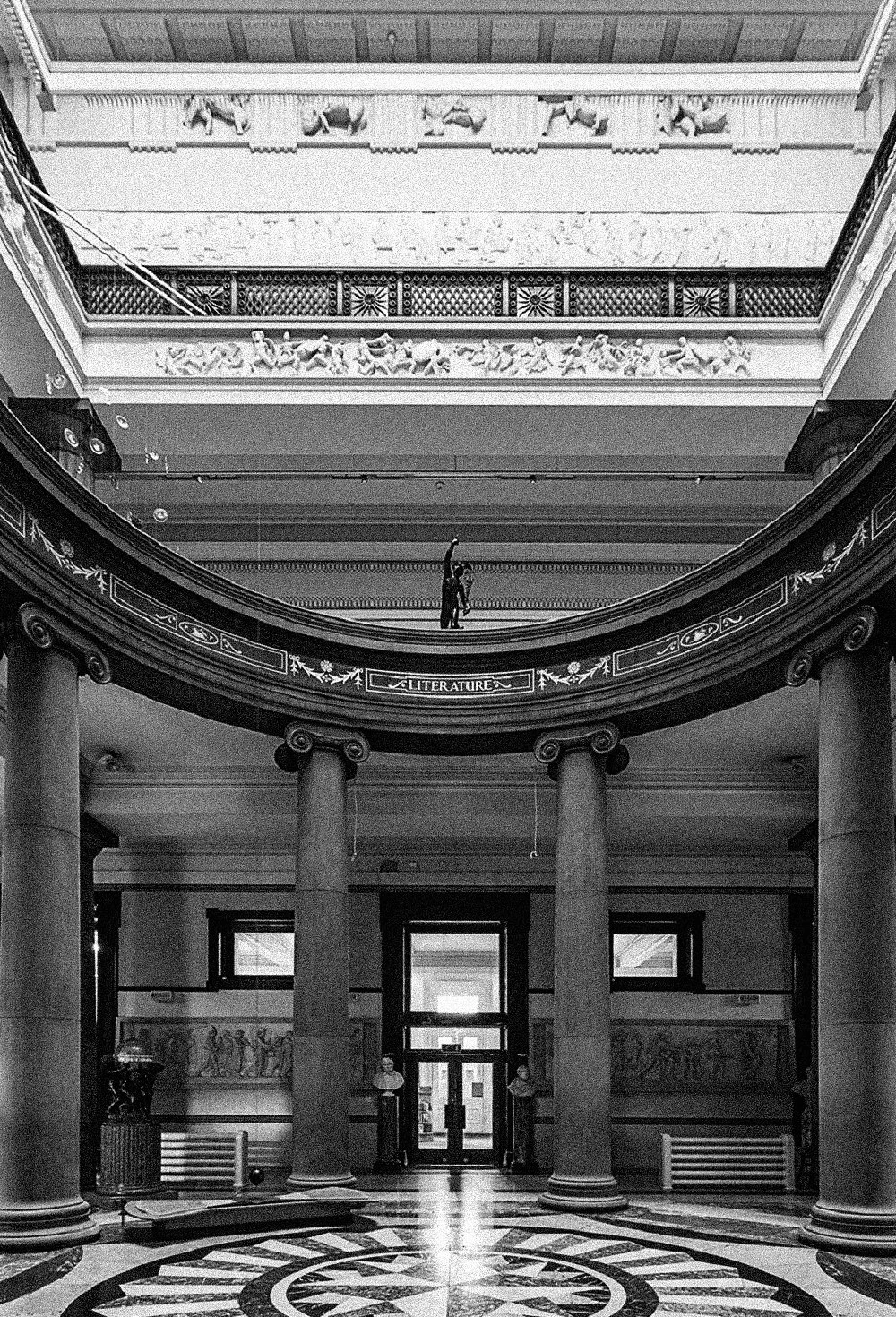
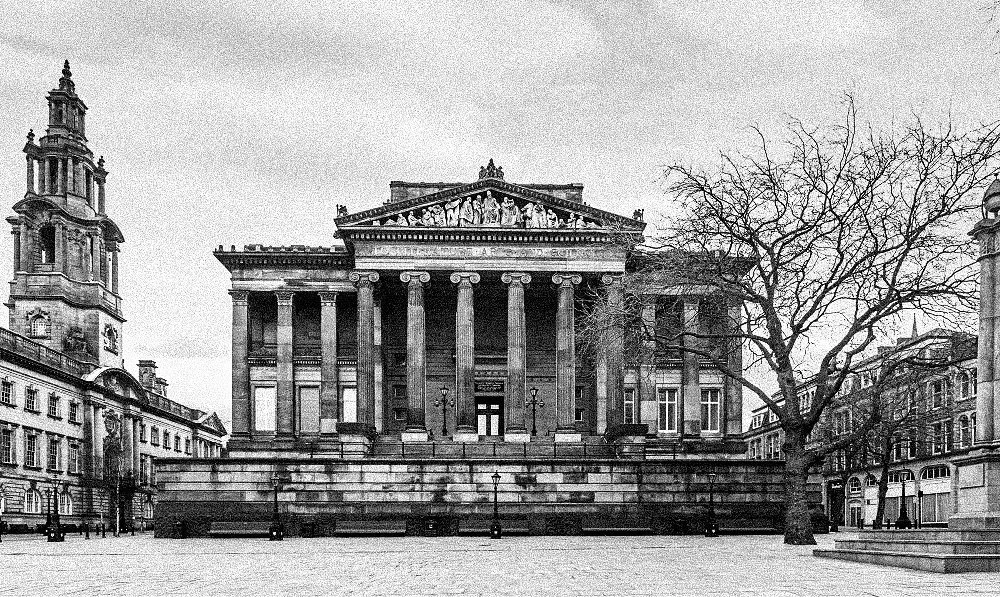
Preston’s Harris Museum isn’t just reopened.
It’s reborn.
After years behind scaffolding and closed doors, The Harris Museum, Art Gallery and Library has blasted back into the cultural spotlight and it is not here to play small. This historic Victorian landmark, long cherished by the people of Preston, has been fully reimagined as a 21st century creative engine that refuses to sit quietly in the background.
The museum’s £19 million transformation under the Harris Your Place project is not just about new spaces and updated facilities. It has redefined one of Lancashire’s most significant cultural institutions as a place that preserves history while amplifying today’s voices and inspiring tomorrow’s innovators.
On its reopening weekend, thousands of visitors poured through the doors to experience Wallace and Gromit in A Case at the Museum, an immersive celebration of nearly 50 years of animation by Preston’s own Oscar winning creator Nick Park. Park credits time spent exploring The Harris as a child, wandering galleries and devouring books in its library, with helping spark his lifelong obsession with storytelling and filmmaking. Now his globally beloved characters take centre stage in the very place that first inspired him.
The Harris is also championing local, contemporary creativity. One of the standout exhibitions is “Ocean Mother” by Preston born artist Saroj Patel, whose tactile sculptures combine Indian and Hindu materials with everyday objects to explore identity, motherhood and cultural memory. Her work, rooted in lived experience and crafted with fearless curiosity, shows how personal narratives can meet collective power.
This is not a dusty gallery with a fresh coat of paint. It is a space that welcomes play, invites dialogue and makes visitors feel something, whether it is the absurd joy of Aardman’s clay heroes or the intimate force of Patel’s sculptural worlds. Redesigned galleries, lively learning spaces, family friendly facilities and a library blended into the heart of the museum make it a space built for now and what comes next.
The impact is already being felt beyond the walls. Local businesses buzzed. Families travelled from across the UK. Conversations about culture, community and identity are happening in coffee shops and classrooms. The Harris is no longer a building that simply holds art. It makes culture happen.
For the city, that is a headline worth shouting about.